Blogs

High-Risk Merchant Account for CBD: Everything You Need to Know

The CBD industry is booming across the globe, with market projections expected to exceed billions in the next few years. But despite growing demand and legal acceptance in many regions, CBD businesses still face massive hurdles when it comes to payment processing. If you operate in the CBD space, you’ve likely encountered payment gateway shutdowns, account rejections, or increased fees—all because your business is labeled as “high risk.” At Paysking, we specialize in high-risk merchant solutions, including for the hemp-derived CBD and wellness sectors. In this blog, we’ll cover why CBD merchants are considered high risk, what challenges to expect, and how to get a reliable merchant account that helps you scale without interruption. Why CBD Is Classified as High-Risk Even in countries where CBD is legal, banks and payment processors remain cautious due to: As a result, many mainstream processors like PayPal, Stripe, and Square block CBD businesses, while traditional banks avoid offering acquiring services. What Is a CBD Merchant Account? A CBD merchant account is a specialized payment processing account that allows businesses in the CBD industry to accept debit and credit card payments—online or in-store. These accounts are set up through high-risk payment processors and tailored to handle the unique legal and operational challenges of the industry. At Paysking, we connect CBD businesses to licensed acquiring banks and international processors that support high-risk verticals with secure, compliant, and stable infrastructure. Key Features of a High-Risk CBD Merchant Account Common Challenges Faced by CBD Merchants 1. Account Freezes or TerminationMany businesses start with low-risk providers and then get shut down unexpectedly when CBD products are flagged. 2. Lack of Banking SupportTraditional banks often refuse to open accounts or impose strict compliance checks due to perceived legal risk. 3. High Processing FeesCBD merchants typically pay higher TDR (Transaction Discount Rate) due to the industry’s risk classification. 4. Shipping and Fulfillment RestrictionsCertain payment providers don’t allow the sale of CBD to specific countries, even if local laws allow it. 5. Regulatory ComplexityKeeping up with state, federal, and international CBD laws can make onboarding and compliance tricky. How Paysking Helps CBD Businesses Thrive At Paysking, we understand the unique needs of CBD merchants and offer: Whether you’re selling oils, capsules, cosmetics, or pet CBD products, we ensure your payment infrastructure is stable, compliant, and scalable. Final Thoughts The CBD industry is growing rapidly—but to capitalize on that growth, you need a reliable, high-risk merchant account tailored to your business. With the right partner, you can avoid account shutdowns, reduce processing fees, and scale globally without limitations. Paysking is your trusted ally in high-risk payments. We help CBD brands accept payments confidently and compliantly—backed by a global network of acquiring banks and risk management experts. Ready to Get a CBD Merchant Account? Let our team guide you through the process and connect you with the right high-risk processor.Request your free consultation today.

High-Risk Merchant Account for CBD: Everything You Need to Know Read Post »
Top Payment Challenges in the Crypto, Forex & Gaming Industries

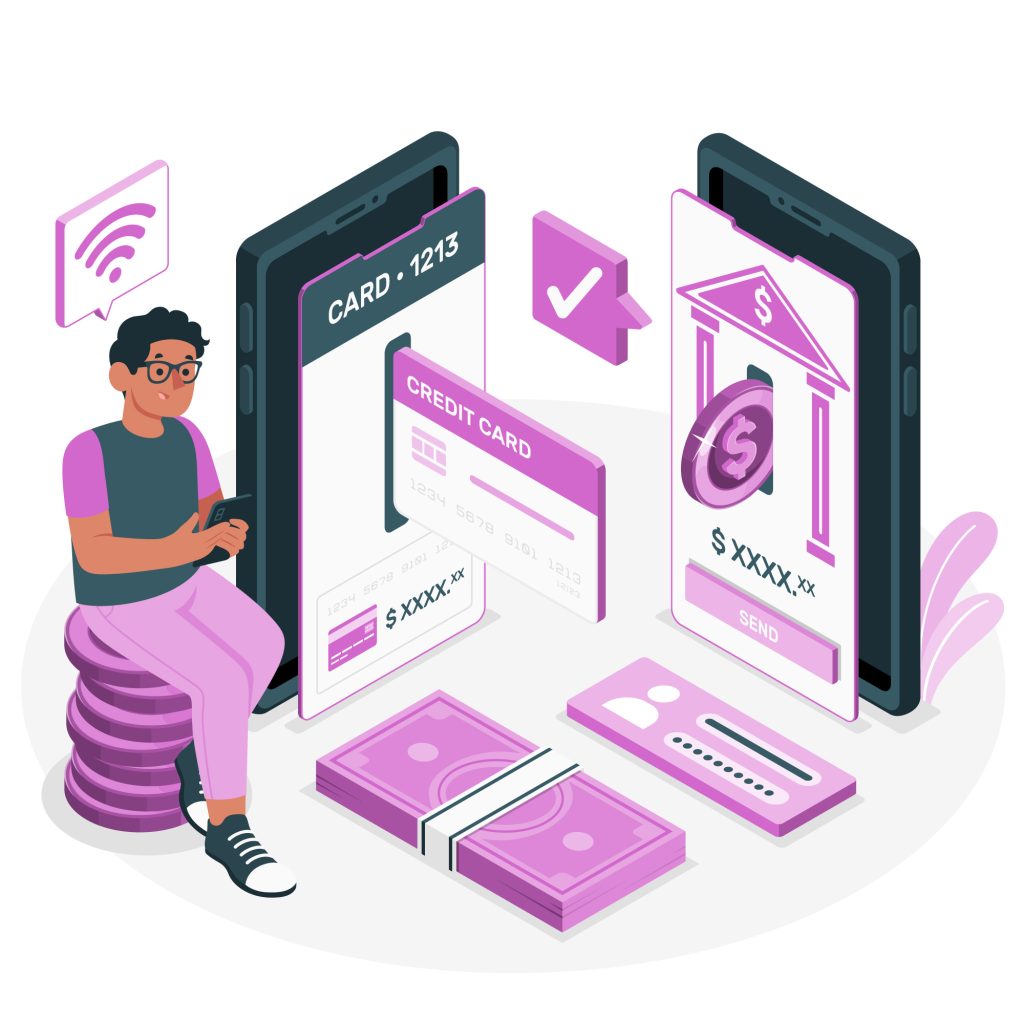
The Crypto, Forex, and Online Gaming industries are booming—but that growth comes with unique operational hurdles, especially when it comes to payment processing. From regulatory scrutiny to sky-high chargebacks, businesses in these sectors often find themselves blocked by traditional banks and payment providers. If you’re a merchant in one of these verticals, chances are you’ve already faced rejections, frozen funds, or poor approval rates. At Paysking, we specialize in high-risk merchant solutions. In this article, we’ll break down the top payment challenges in Crypto, Forex, and Gaming—and show you how to navigate them for long-term success. 1. High Chargeback Ratios In all three sectors, chargebacks are a major issue. For Forex and Gaming, disputes often arise over misunderstood deposits, withdrawals, or bonus terms. In Crypto, users may claim unauthorized purchases—especially after volatile market swings. Why It Matters:Excessive chargebacks can get your account shut down or placed on the MATCH list. How to Overcome:Paysking integrates 3D Secure, fraud filters, and chargeback alert tools (like Ethoca/Verifi) to reduce disputes and improve your chargeback ratio. 2. Difficulty Opening Merchant Accounts Mainstream payment providers (like Stripe or PayPal) often don’t support Crypto, Forex, or Gaming due to regulatory and reputational concerns. Even once accepted, accounts are frequently frozen without warning. Why It Matters:No stable payment gateway = no card processing = lost revenue. How to Overcome:Paysking works with acquirers who specialize in high-risk and niche sectors, ensuring smoother onboarding and long-term account stability. 3. Complex Regulatory Environment Each of these industries faces unique legal scrutiny. Crypto is impacted by AML/KYC laws and global licensing concerns. Forex is subject to regional trading regulations. Gaming companies must adhere to gambling laws, age restrictions, and local compliance protocols. Why It Matters:A regulatory misstep can lead to fund holds, chargebacks, or legal penalties. How to Overcome:Paysking guides merchants through proper KYC, KYB, and compliance requirements, helping reduce risk during onboarding and processing. 4. Currency Volatility and Conversion Risks Crypto and Forex merchants especially deal with volatile currencies. Gaming platforms often process microtransactions from international users. Without multi-currency support, you face high FX fees and customer confusion. Why It Matters:Poor currency handling can lower profit margins and damage trust. How to Overcome:Paysking supports 100+ currencies with local acquiring, multi-currency checkout, and flexible settlement options like USD, EUR, GBP, and AED. 5. Fraud and Risk of Abuse These sectors are frequent targets of online fraud. Bonus abuse in gaming, fake accounts in Forex, and identity fraud in Crypto can all damage your financial standing—and lead to increased declines or chargebacks. Why It Matters:Unmanaged fraud increases costs, losses, and processor suspicion. How to Overcome:Paysking provides dynamic fraud protection tools, including velocity checks, IP risk scoring, AVS, CVV, and adaptive filters to keep your payments secure. 6. High Decline Rates for Cross-Border Payments Many Crypto, Forex, and Gaming platforms serve a global audience. But without proper geo-routing and acquiring coverage, cross-border transactions often fail or get flagged. Why It Matters:Failed payments mean lost users and revenue. How to Overcome:With Paysking, your transactions are routed smartly to local or regional acquiring banks to boost approval rates and reduce friction. 7. Lack of Subscription or Recurring Billing Support Gaming memberships, signal services in Forex, or premium content in Crypto platforms often require subscription billing. Yet many processors don’t support recurring transactions for high-risk merchants. Why It Matters:Recurring billing boosts LTV, but failure to process it leads to lost revenue. How to Overcome:Paysking supports flexible billing cycles, recurring invoicing, and dynamic descriptor options for transparent and compliant rebilling. Final Thoughts Crypto, Forex, and Gaming are fast-moving and lucrative—but their payment needs are anything but standard. From compliance concerns to cross-border processing, merchants in these spaces need specialized infrastructure to operate safely and scale globally. At Paysking, we offer tailor-made, compliant, and conversion-focused payment solutions for high-risk merchants. Whether you’re launching a new platform or optimizing an existing one, our team is ready to help you process payments securely and reliably—anywhere in the world. Ready to Solve Your Industry’s Payment Challenges? Connect with the Paysking team today and discover a payment solution built specifically for Crypto, Forex, and Gaming businesses.Book your free consultation now.

Top Payment Challenges in the Crypto, Forex & Gaming Industries Read Post »

Why Multi-Currency Card Processing Matters for Global Merchants

As digital commerce expands globally, customers expect a seamless, localized experience—even when buying from international merchants. One of the key components of this localized experience is multi-currency card processing. For high-risk and global merchants in industries like Forex, Crypto, IPTV, CBD, or Gaming, offering customers the ability to pay in their local currency can dramatically improve conversion rates, reduce chargebacks, and build trust. At Paysking, we help businesses unlock global revenue with powerful multi-currency capabilities. In this post, we’ll explain why multi-currency processing isn’t just a feature—it’s a necessity for international growth. What Is Multi-Currency Card Processing? Multi-currency processing allows customers to pay for goods or services in the currency of their choice, while the merchant can choose to settle in a different currency, such as USD, EUR, or GBP. This setup benefits both sides: Customers get transparency and convenience.Merchants get flexibility and better acceptance rates across borders. Multi-currency processing typically supports over 100 global currencies and includes dynamic currency conversion, local pricing, and currency-specific transaction routing. Why Global Merchants Need Multi-Currency Support 1. Increased Trust and Higher Conversion Rates When customers see pricing in their native currency, they feel more confident completing the purchase. It eliminates doubts about exchange rates and surprise fees on their bank statements. Studies show that localized pricing can increase conversion rates by up to 30%, especially in emerging markets. 2. Reduced Cart Abandonment Currency mismatch is a top reason for cart abandonment. Customers are more likely to abandon their purchase if the checkout total shows in a foreign currency. Multi-currency gateways create a frictionless payment experience by showing localized prices from the beginning of the checkout process. 3. Lower Chargeback Risk Foreign currency charges often lead to misunderstandings and disputes. A customer who doesn’t recognize the amount on their statement is more likely to issue a chargeback. By offering transparent, local pricing, you reduce confusion and improve post-sale satisfaction. 4. Optimized Approval Rates Across Regions Some acquiring banks perform better with specific card networks or regions. By pairing multi-currency support with smart routing, you ensure that international transactions are sent through the most appropriate banking channel—resulting in higher approval rates and fewer declines. 5. Better Financial Management for Merchants Multi-currency processing also gives merchants flexibility in how they receive settlements. You can consolidate global transactions into a few major currencies, reducing FX conversion losses and simplifying reconciliation. At Paysking, we offer settlement options in USD, EUR, GBP, AED, and more—tailored to your operational needs. How Paysking Delivers Multi-Currency Success Paysking’s global payment gateway offers: Whether you sell digital subscriptions, financial services, physical products, or licensed content, our infrastructure is built to help you scale internationally with confidence. Final Thoughts Multi-currency card processing isn’t just a convenience—it’s a competitive advantage. In today’s borderless marketplace, offering localized, trustworthy payment options can be the difference between a lost sale and a lifelong customer. With Paysking, you gain access to a global payment infrastructure built specifically for high-risk and growth-focused merchants. We help you reach more customers, convert more sales, and settle your payments smoothly—no matter where your customers are located. Ready to Go Global with Multi-Currency Payments? Get in touch with our payment experts to explore the best multi-currency setup for your business.Request a free consultation today.

Why Multi-Currency Card Processing Matters for Global Merchants Read Post »

Understanding Card Payment Fees and TDR for High-Risk Industries

Accepting card payments is essential for running an online business—but for high-risk merchants, it often comes at a cost. If you operate in industries like Crypto, Forex, IPTV, CBD, Adult, or Gaming, you may have noticed that your card processing fees are significantly higher than those of standard businesses. Why is that? The answer lies in your risk classification, how acquirers view your business model, and how TDR (Transaction Discount Rate) structures are applied. At Paysking, we specialize in high-risk merchant services, and we believe in transparent, fair pricing. In this post, we’ll break down what goes into card payment fees, how TDR is calculated, and what high-risk businesses can do to manage costs more effectively. What Is TDR in Payment Processing? TDR (Transaction Discount Rate) is the fee a merchant pays for every transaction processed via credit or debit card. It is typically a percentage of the transaction value, and for high-risk businesses, it often includes additional risk premiums. For example, if your TDR is 5% and a customer pays $100, you will receive $95, and $5 goes to the acquiring bank and associated processors. Why High-Risk Merchants Pay Higher Fees TDR for low-risk merchants such as retail or standard e-commerce businesses may range from 1.5% to 3%, while high-risk businesses often face TDRs between 4% and 10%, depending on various factors: Industry risk level (MCC code)Chargeback ratio historyGeographic risk exposureType of product or serviceProcessing volume and average ticket sizeHistory with previous providers Acquirers see high-risk merchants as more likely to generate chargebacks, fraud, or regulatory issues—so they increase fees to offset potential losses. Components of Card Payment Fees High-risk TDR isn’t a single charge. It includes multiple layers of cost. Interchange FeeA fixed fee set by card networks (Visa/Mastercard), paid to the cardholder’s issuing bank. Typically ranges from 1.5% to 2.5%. Assessment FeeA small percentage charged by the card network itself. Usually between 0.10% and 0.15%. Acquirer MarkupThis is the processor’s fee, which includes risk premium, fraud protection tools, and their profit margin. It can range between 2% to 6% or more for high-risk sectors. Rolling Reserve (If Applicable)A percentage of your revenue held for a certain period (for example, 10% held for 180 days) to cover potential chargebacks or fraud risks. How to Reduce Card Processing Fees in High-Risk Environments High-risk doesn’t mean helpless. Here’s how you can optimize your costs and improve your fee structure over time. Build a Strong Processing HistoryShow consistent volume, low chargebacks, and compliance to negotiate better rates. Choose the Right AcquirerNot all acquiring banks are created equal. Some specialize in your niche and offer significantly better rates and terms. Paysking works with acquirers familiar with Crypto, Adult, Gaming, Forex, CBD, and more—ensuring optimized pricing. Negotiate Reserve TermsAfter 3–6 months of stable processing, many merchants are able to reduce or eliminate reserve requirements. Batch and Settle EfficientlyDaily, consistent settlements can reduce processing risk and, in some cases, improve pricing terms. Avoid Hidden CostsMany processors add hidden fees for refunds, chargebacks, gateway usage, or currency conversion. Paysking ensures full transparency in every fee breakdown. How Paysking Helps High-Risk Merchants Manage Fees Paysking is built to support high-risk verticals—and that includes helping you get the best value for your processing setup. We offer customized TDR rates based on your business model and volume. Our global network includes acquiring banks that specialize in high-risk. We help merchants negotiate reserve structures, provide detailed reporting tools to monitor profitability, and eliminate hidden gateway or FX charges. Final Thoughts Yes, card payment fees are higher for high-risk businesses—but with the right partner and infrastructure, you can take control of those costs. Understanding how TDR works and how to optimize it is key to protecting your margins and growing your business sustainably. At Paysking, we bring clarity, experience, and custom solutions tailored for your industry—so you can process payments with confidence. Want a Custom Fee Proposal? Let us analyze your business model and processing volume to recommend the best fee structure for your success. Contact our team for a free consultation today.

Understanding Card Payment Fees and TDR for High-Risk Industries Read Post »

How to Optimize Card Payment Processing for Better Conversion Rates

In the fast-paced world of online commerce, every second counts—and so does every click. If you’re a high-risk business accepting card payments, your checkout experience could either boost your revenue or silently kill conversions. Whether you’re in Forex, Streaming, CBD, Gaming, or Crypto, optimizing your card payment processing is crucial to increasing your approval rates and minimizing cart abandonment. At Paysking, we help merchants implement proven strategies to improve payment conversion across global markets—even in high-risk environments. In this article, we’ll walk you through the most effective ways to optimize card payment processing and turn more visitors into paying customers. Why Payment Optimization Matters Think of your checkout page as the final mile in your customer’s journey. If your payment process is slow, confusing, or leads to transaction failures, you’re not just losing sales—you’re losing trust. Studies show that nearly 70% of carts are abandoned, and payment friction is a leading reason. For high-risk businesses, this problem is amplified by stricter fraud checks, higher decline rates, and processor limitations. Key Strategies to Optimize Card Payment Processing 1. Use a Global, High-Risk-Friendly Gateway Standard gateways like Stripe and PayPal often don’t work for high-risk industries—or worse, they suspend your account mid-growth. Use a payment gateway like Paysking that supports high-risk verticals and has global acquiring coverage to ensure reliable, uninterrupted payment acceptance. What it does: 2. Enable Smart Transaction Routing Not all acquiring banks process payments equally. Some card transactions perform better with region-specific acquirers. With intelligent routing, your transactions are automatically directed to the most optimal processor based on customer location, card type, and success rate. Benefits include: 3. Offer Multi-Currency & Localized Checkout International customers are more likely to complete payment when they see prices in their own currency. With multi-currency processing and localized checkout flows, you eliminate confusion and reduce drop-off at the final step. Paysking supports: 4. Enable 3D Secure & Advanced Fraud Filters Security builds trust—but it must be balanced with ease. Implementing 3D Secure 2.0 (like Visa Secure and Mastercard Identity Check) helps reduce fraud while minimizing friction for good customers. Coupled with AVS, CVV, and risk scoring tools, you can keep fraud in check without hurting conversion. Tip: Use adaptive fraud filters that adjust based on real-time behavior. 5. Simplify Your Checkout Experience Long, multi-step checkout forms are conversion killers. Streamline your payment page by: One-page checkouts often lead to 20–30% better conversion rates. 6. Use Retry Logic & Decline Recovery Not every failed payment is a lost sale. With automated retry logic, declined transactions can be re-attempted using a different acquirer or payment method. You can also prompt the customer to try a new card in real time. Paysking enables smart decline recovery flows that catch failed transactions before the customer bounces. 7. Display Trust Seals and Real-Time Support Build trust right on your checkout page with SSL badges, accepted card logos, and visible customer support. Many users hesitate to complete payment if they’re unsure about the legitimacy of your platform or have unanswered questions. Live chat or support popups during checkout can increase conversions significantly. Why Choose Paysking for Optimized Card Processing? Paysking is more than a gateway—we’re your conversion partner. We help you: Final Thoughts A smooth payment process doesn’t just improve user experience—it directly impacts your bottom line. If you’re in a high-risk industry, optimizing your card payment flow could be the single biggest lever for increasing revenue. At Paysking, we bring the tools, integrations, and expertise needed to turn more visitors into paying customers—securely and globally. Ready to Boost Your Conversion Rates? Let our team audit your current payment setup and show you how Paysking can improve it.Schedule a free consultation today.

How to Optimize Card Payment Processing for Better Conversion Rates Read Post »

Chargeback Prevention Strategies for High-Risk Businesses

For high-risk merchants, chargebacks aren’t just a nuisance—they’re a threat. A high chargeback ratio can quickly lead to account freezes, increased processing fees, reserve holds, or even termination by your payment provider. Whether you operate in Forex, Crypto, Adult, CBD, Streaming, or Gaming, understanding how to prevent chargebacks is critical to maintaining your merchant account and protecting your revenue. At Paysking, we help high-risk businesses implement proven chargeback prevention strategies that reduce risk, build trust, and improve long-term sustainability. In this post, we’ll break down what chargebacks are, why they happen more often in high-risk industries, and most importantly—how to prevent them. What Is a Chargeback? A chargeback occurs when a cardholder disputes a transaction with their issuing bank, often claiming the charge was unauthorized, fraudulent, or unsatisfactory. The bank then reverses the payment and pulls the funds back from the merchant. While chargebacks were designed to protect consumers, they are frequently misused and can devastate merchants—especially those in high-risk industries where chargebacks are more common. Why High-Risk Businesses Face More Chargebacks Certain industries face higher chargeback volumes due to the nature of their products, customer expectations, or payment models. Here’s why: If your chargeback ratio exceeds 1% of monthly transactions (according to Visa and Mastercard guidelines), your business could be placed on the MATCH list or experience account termination. Top Chargeback Prevention Strategies 1. Use Clear and Transparent Billing Descriptors Make sure your billing descriptor (the name that appears on a customer’s card statement) matches your brand or website. Confusing or unrecognized names are a leading cause of “friendly fraud” chargebacks. Tip: Add a support phone number or URL in the descriptor to encourage customers to reach out before filing a dispute. 2. Provide a Clear Refund & Cancellation Policy A well-communicated, easy-to-find refund policy reduces chargebacks by giving customers a legitimate way to resolve issues. Make sure your refund/cancellation policy is visible on your website and checkout page. Tip: Send a confirmation email after every order, including policy links and contact information. 3. Implement 3D Secure & Fraud Filters 3D Secure (like Visa Secure and Mastercard Identity Check) adds a layer of authentication at checkout. Combined with fraud detection tools like AVS (Address Verification System) and CVV checks, you can reduce unauthorized transactions significantly. Tip: Use velocity checks to limit the number of transactions from the same card or IP in a short time frame. 4. Offer Responsive Customer Support Most customers initiate chargebacks because they can’t reach you or don’t get timely responses. A dedicated support team with fast response times can turn frustrated buyers into loyal customers—avoiding disputes entirely. Tip: Include a “Need Help?” link in your email receipts that leads to your contact or help desk page. 5. Maintain Detailed Transaction Records Keep records of every transaction including customer communications, delivery tracking, order confirmation, and signed terms & conditions. These documents are vital when you need to fight a chargeback through representment. Tip: Log IP addresses and timestamps for digital goods or memberships to prove access or use. 6. Use Chargeback Alerts and Early Warning Systems Paysking integrates with chargeback alert systems like Ethoca and Verifi that notify you when a dispute is filed—before the chargeback is processed. This gives you a window to resolve the issue directly with the customer. Tip: Act quickly—most alert windows are only 24–48 hours long. How Paysking Helps You Prevent Chargebacks At Paysking, we understand the risks high-risk merchants face. That’s why our gateway and acquiring partners are built to handle elevated chargeback environments with: Final Thoughts Chargebacks are an unavoidable part of online payments—but for high-risk businesses, they must be proactively managed. With the right strategies and a reliable payment partner like Paysking, you can reduce chargebacks, protect your merchant account, and keep your revenue flowing. Ready to Take Control of Chargebacks? Paysking provides complete chargeback prevention and management tools tailored for high-risk businesses.Get in touch with our team today for a free consultation.

Chargeback Prevention Strategies for High-Risk Businesses Read Post »

Paysking’s Global Coverage: Seamless Cross-Border Payment Solutions

In today’s borderless digital economy, businesses can no longer afford to think locally. Whether you’re a startup selling digital subscriptions or a large-scale enterprise in the Forex, IPTV, or nutraceutical space, your ability to accept payments globally determines how far—and how fast—you can grow. But there’s a challenge: cross-border payments are riddled with friction. High decline rates, currency issues, compliance blocks, and unstable processors can prevent your business from thriving internationally. At Paysking, we’ve built a payment infrastructure specifically designed for global and high-risk merchants. This post explains how our global coverage helps you accept payments seamlessly across borders—with confidence, speed, and scale. The Global Payment Challenge For most high-risk businesses, expanding internationally isn’t just about translations and logistics—it’s about access to reliable payment acceptance in every target region. Traditional processors often fall short due to geo-restricted acquiring banks, limited currency support, high fraud risk in certain markets, inconsistent compliance enforcement, and high card decline rates. Without the right infrastructure, businesses lose sales, face customer churn, or get their accounts shut down. How Paysking Solves the Cross-Border Puzzle At Paysking, we offer true global payment coverage that helps you sell anywhere—without limitations. Global Acquiring Network We’ve partnered with acquiring banks and payment institutions in Europe, Asia, Africa, the Middle East, and North America. This allows us to process transactions regardless of your customer’s country or card type, ensuring stable payment acceptance even in regions most providers avoid. Multi-Currency Support Paysking enables you to accept payments in over 100 currencies. Customers see prices in their local currency, which builds trust and increases conversions. You receive settlement in the currency of your choice, including USD, EUR, GBP, or AED. Geo-Optimized Payment Routing Our smart gateway automatically routes each transaction to the best-performing acquirer based on the customer’s location, card type, and risk profile. This increases success rates, reduces chargebacks, and improves overall transaction performance. Localized Checkout Experiences To build trust in international markets, it’s important to offer a localized user experience. With Paysking, you can present checkout pages in the customer’s language, offer region-specific payment methods, and display pricing in local currencies—all without custom coding. Compliance & KYC Made Easy Global expansion comes with regulatory complexities. Paysking simplifies this process with guided onboarding and region-specific compliance support. Our team helps you meet KYC, KYB, and AML standards while minimizing delays. Why Merchants Choose Paysking Whether you’re in Crypto, Gaming, Streaming, Adult, Forex, or CBD, Paysking provides a payment gateway that scales with your growth. We offer fast international onboarding, secure infrastructure built for high-risk markets, transparent pricing, and 24/7 support tailored to your business. Expand Without Borders Going global shouldn’t be risky. With Paysking’s global payment coverage, you can break through geographic and financial barriers to build a truly borderless business. Ready to Go Global? Whether you’re entering your first international market or looking to optimize your global payment stack, Paysking is here to help. Request a free consultation with our onboarding team today.

Paysking’s Global Coverage: Seamless Cross-Border Payment Solutions Read Post »

Top 5 Challenges Faced by High-Risk Merchants

Running a high-risk business comes with tremendous potential—but it also brings a unique set of challenges that traditional businesses often don’t face. From trouble securing payment processing to battling fraud and regulatory pressures, high-risk merchants are forced to navigate a much tougher landscape. At Paysking, we’ve helped hundreds of high-risk merchants build reliable and scalable payment infrastructures. In this blog, we’ll break down the top 5 challenges high-risk merchants face—and how you can overcome them with the right partner. 🧾 Who Is a High-Risk Merchant? A high-risk merchant is a business that payment processors or banks consider more prone to chargebacks, fraud, or regulatory complications. Common high-risk industries include: If your business falls into any of these categories, you’ve probably already experienced some of the challenges below. 🚧 Top 5 Challenges Faced by High-Risk Merchants 1. 🔒 Difficulty Securing a Merchant Account The Problem:Mainstream processors like Stripe or PayPal often reject high-risk businesses during onboarding or terminate their accounts unexpectedly—sometimes without a clear explanation. Why It Matters:No merchant account means no card payments—crippling your cash flow and ability to scale. Paysking’s Solution:We work with a wide network of global acquiring banks that specialize in high-risk sectors, increasing your approval chances and providing a stable foundation for payment acceptance. 2. ⚠️ Frequent Chargebacks & Disputes The Problem:High-risk businesses often deal with higher chargeback rates due to buyer’s remorse, fraud, unclear billing descriptors, or misunderstood services. Why It Matters:Too many chargebacks can result in processor fines, account freezing, or even a permanent blacklisting from card networks. Paysking’s Solution:We equip merchants with chargeback mitigation tools, 3D Secure, fraud screening systems, and clear communication strategies to help reduce disputes and maintain healthy ratios. 3. 💸 High Processing Fees & Rolling Reserves The Problem:High-risk businesses typically pay higher transaction fees (TDRs) and are subject to rolling reserves to protect acquirers from losses. Why It Matters:This puts pressure on profit margins and cash flow—especially for newer or scaling businesses. Paysking’s Solution:We negotiate the most competitive rates possible through our acquiring partners and help reduce reserve requirements over time based on your processing history and volume. 4. 📑 Tougher Compliance Requirements The Problem:High-risk merchants must comply with stricter Know Your Customer (KYC), Know Your Business (KYB), and PCI-DSS protocols. Why It Matters:Non-compliance leads to delayed onboarding, withheld funds, or account termination. Paysking’s Solution:We guide you through the documentation and onboarding process step-by-step, ensuring you meet compliance standards without stress or delays. 5. 🌍 Limited Global Payment Reach The Problem:High-risk businesses often sell internationally but struggle to find processors that offer multi-currency support, local acquiring, or geo-optimized routing. Why It Matters:Without global payment acceptance, you miss out on international sales and face higher decline rates. Paysking’s Solution:Our gateway offers multi-currency checkout, local acquirers in key regions, and global acceptance coverage to ensure you can serve customers around the world. ✅ Final Thoughts The label “high-risk” doesn’t define the quality of your business—it reflects the additional scrutiny required by processors. But these challenges don’t have to limit your potential. Paysking exists to support high-risk businesses with end-to-end payment solutions that are secure, scalable, and trusted by merchants globally. From onboarding to fraud protection and global coverage, we help you stay focused on growth—not red tape. 📞 Get in Touch Looking for a reliable, transparent, and high-risk friendly payment partner?Contact Paysking today to learn how we can support your business.

Top 5 Challenges Faced by High-Risk Merchants Read Post »

What Is a High-Risk Merchant Account and Why Might Your Business Need One?

In the ever-evolving world of online commerce, businesses of all shapes and sizes rely on merchant accounts to accept payments from their customers. But not all businesses are treated equally by payment processors. If your business falls under the “high-risk” category, getting a standard merchant account might not be an option. This is where a high-risk merchant account becomes essential. At Paysking, we specialize in supporting businesses often sidelined by traditional payment providers. This article breaks down what a high-risk merchant account is, why certain businesses need one, and how it can benefit your operations. 🔍 What Is a High-Risk Merchant Account? A high-risk merchant account is a type of payment processing account tailored for businesses that are considered riskier by acquiring banks or payment processors. This designation is based on factors such as chargeback rates, industry type, regulatory scrutiny, and even your location. Unlike standard merchant accounts, high-risk accounts come with additional layers of compliance, higher scrutiny, and often slightly higher fees—but they offer the ability to operate freely and securely. ⚠️ Why Are Some Businesses Labeled as High-Risk? You may be surprised to find your business in the high-risk category. Here’s why processors might consider a business high-risk: 🧩 Why Your Business Might Need a High-Risk Merchant Account If you’re unable to get approved by traditional providers like Stripe, PayPal, or Square, you’re not alone. Many thriving businesses face rejections or sudden terminations because of their risk profile. Here’s why a high-risk merchant account might be your best (or only) option: ✅ 1. Sustainable Payment Processing You won’t have to worry about sudden account closures that can cripple your business overnight. ✅ 2. Chargeback Tolerance High-risk processors are more understanding of elevated chargeback levels and provide tools to mitigate and manage disputes. ✅ 3. Global Payment Acceptance High-risk accounts often come with multi-currency support and international acquiring partnerships—essential for businesses with global customer bases. ✅ 4. Customized Solutions Providers like Paysking offer tailored payment flows, fraud prevention tools, and flexible rolling reserves to meet your unique business needs. ✅ 5. Higher Approval Rates With our experience and wide acquiring network, your chances of getting approved significantly increase—especially in tough industries. 🔐 Why Choose Paysking for High-Risk Payment Processing? At Paysking, we don’t shy away from high-risk businesses—in fact, we specialize in them. Here’s how we help: 📝 Final Thoughts A high-risk merchant account is more than just a workaround—it’s a gateway to stable, scalable, and secure payment processing for businesses that don’t fit the “standard” mold. Whether you’re launching a new forex platform, running a successful IPTV service, or selling niche digital products, Paysking ensures your payments never become a roadblock. 📞 Ready to Get Started? Don’t let your business be held back by payment limitations. Contact Paysking today for a free consultation and see how we can help you grow with confidence.

What Is a High-Risk Merchant Account and Why Might Your Business Need One? Read Post »

Scroll to Top