Blogs

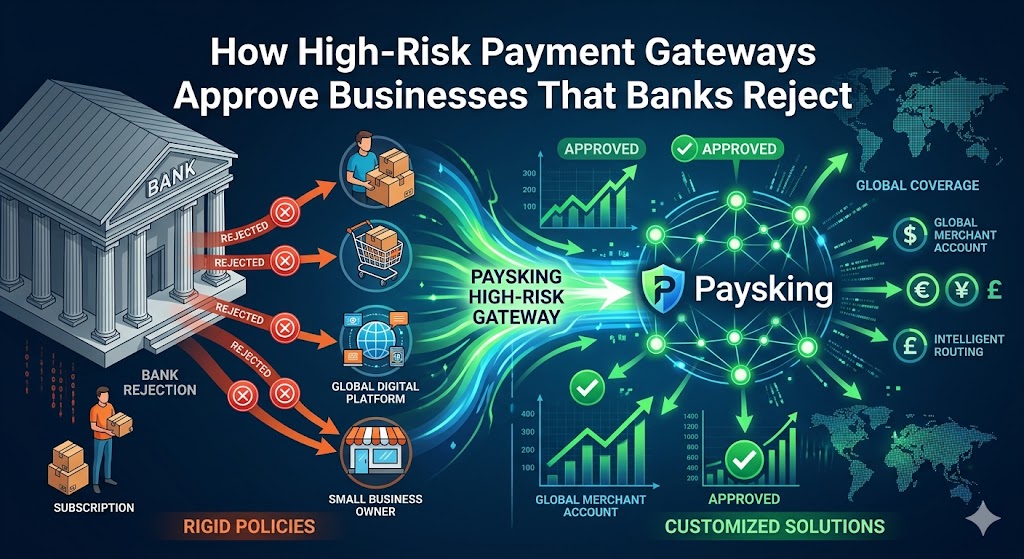
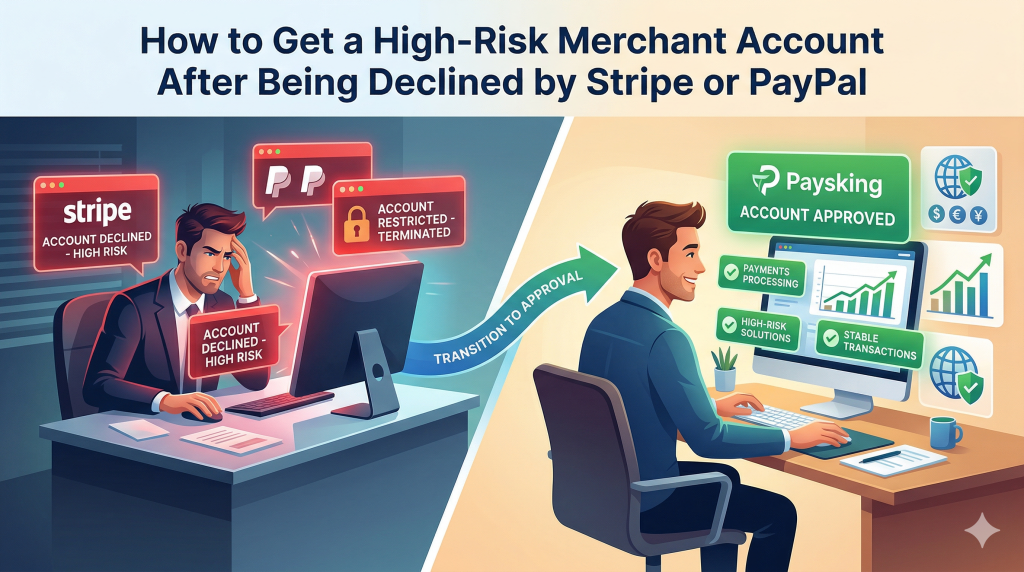
How High-Risk Payment Gateways Approve Businesses That Banks Reject

Many businesses in today’s digital economy face a common challenge—being rejected by traditional banks when applying for payment processing services. These rejections can disrupt operations, delay growth, and create uncertainty for businesses that rely on online payments. However, rejection by a bank does not mean a business is unviable. It simply means the business does not fit within traditional risk frameworks. High-risk payment gateways exist to bridge this gap. With Paysking, businesses can access payment infrastructure designed specifically to support industries and business models that fall outside conventional banking systems. Understanding how high-risk payment gateways approve businesses provides clarity on how modern payment ecosystems are evolving. Why Traditional Banks Reject Certain Businesses Banks operate under strict risk management frameworks that limit their ability to support certain industries. Conservative Risk Policies Banks prioritize low-risk, predictable transaction environments. Businesses with variable transaction patterns or higher dispute rates often fall outside acceptable risk thresholds. Industry Restrictions Certain industries are considered high risk due to regulatory complexity or customer behavior patterns. These include: Understanding high-risk classification helps explain these restrictions, as outlined in👉 https://paysking.com/what-is-a-high-risk-merchant-account-and-why-might-your-business-need-one/ Compliance and Regulatory Pressure Banks must comply with strict financial regulations. Supporting high-risk businesses increases compliance complexity and operational burden. What Makes a Payment Gateway “High Risk” High-risk payment gateways are designed to support businesses that traditional providers cannot accommodate. Flexible Risk Assessment Models Unlike banks, high-risk gateways evaluate businesses based on detailed transaction data and operational context rather than rigid classifications. Specialized Industry Support High-risk gateways are built to support industries with unique payment needs, including those discussed in👉 https://paysking.com/top-payment-challenges-in-the-crypto-forex-gaming-industries/ Advanced Risk Management Systems Modern payment gateways use intelligent monitoring systems to manage transaction risk effectively. These capabilities allow gateways to approve businesses that banks reject. How High-Risk Payment Gateways Approve Businesses Approval processes for high-risk payment gateways are more dynamic and data-driven. Comprehensive Risk Evaluation Gateways analyze: This detailed analysis provides a more accurate risk profile. Intelligent Transaction Monitoring Real-time monitoring helps detect and prevent fraud, reducing overall risk. Security systems align with practices described in👉 https://paysking.com/secure-payment-processing-fraud-prevention-paysking/ Customized Payment Solutions High-risk gateways tailor payment solutions based on business needs, improving approval chances and transaction success. Role of Payment Infrastructure in Approval Payment infrastructure plays a central role in enabling approvals. Reliable systems ensure: Businesses using advanced payment platforms benefit from improved approval rates. Modern infrastructure aligns with systems described in👉 https://paysking.com/payment-platform-for-businesses-paysking/ Risk Management Strategies Used by High-Risk Gateways High-risk payment gateways use several strategies to manage transaction risk. Rolling Reserves and Risk Controls Gateways may implement reserve structures to protect against chargebacks and fraud. Intelligent Routing Transactions are routed through optimized channels to improve approval rates. Real-Time Analytics Continuous monitoring helps identify trends and adjust risk strategies dynamically. Scalable infrastructure supports these capabilities, aligned with👉 https://paysking.com/scalable-payment-gateway-business-growth-paysking/ Benefits of High-Risk Payment Gateways for Businesses High-risk payment gateways provide several advantages for businesses. Higher Approval Rates Businesses rejected by traditional banks can access payment processing solutions. Support for Global Transactions High-risk gateways support multi-currency and international payments. Global capabilities align with👉 https://paysking.com/payskings-global-coverage-seamless-cross-border-payment-solutions/ Improved Transaction Success Optimized payment routing and monitoring improve approval rates and reduce failures. Businesses often enhance performance using strategies outlined in👉 https://paysking.com/how-to-optimize-card-payment-processing-for-better-conversion-rates/ Common Misconceptions About High-Risk Payment Gateways There are several misconceptions about high-risk payment solutions. “High Risk Means Unstable” In reality, high-risk gateways are designed to manage complex payment environments effectively. “Approval Means No Compliance” High-risk gateways still maintain strong compliance and security standards. “Only Large Businesses Qualify” Businesses of all sizes can benefit from high-risk payment solutions. How Paysking Approves and Supports Businesses Paysking provides payment infrastructure designed to support businesses that face rejection from traditional payment providers. Paysking helps businesses: These capabilities enable businesses to operate confidently and grow without payment limitations. Paysking’s ecosystem is built to handle complex and evolving payment environments. The Future of High-Risk Payment Processing Payment ecosystems are becoming more flexible and technology-driven. Future payment systems will emphasize: High-risk payment gateways will continue playing a critical role in supporting digital business growth. Get Approved with Paysking Being rejected by a bank does not mean your business cannot succeed. With Paysking, businesses gain access to secure, scalable, and high-risk-ready payment infrastructure designed to support approval and long-term growth. Get approved with Paysking and unlock reliable payment processing for your business. Hashtags #HighRiskPayments #MerchantApproval #FintechSolutions #PaymentGateway #Paysking

How High-Risk Payment Gateways Approve Businesses That Banks Reject Read Post »

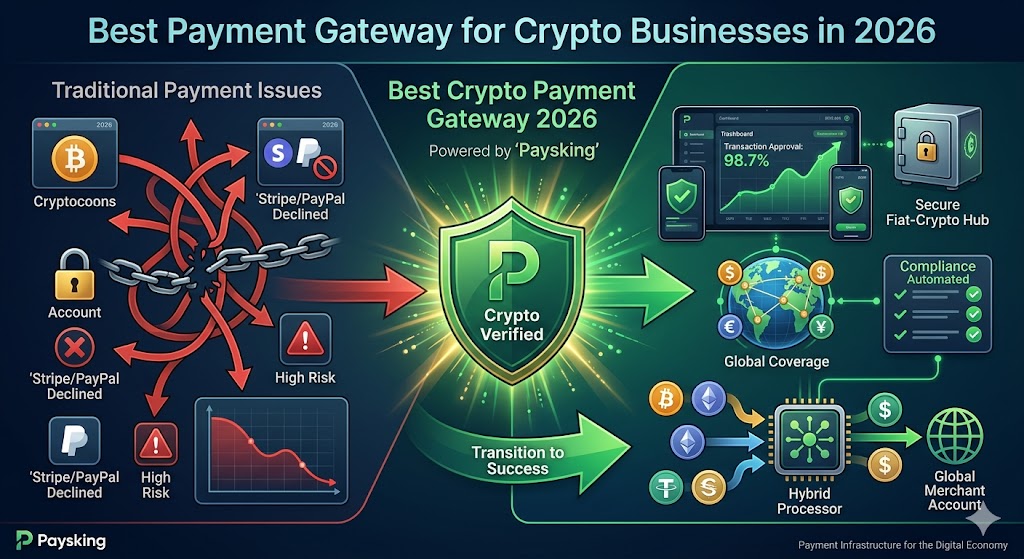
Best Payment Gateway for Crypto Businesses in 2026

Crypto businesses are no longer operating on the fringes of the financial system. In 2026, they are becoming a central part of the global digital economy. From exchanges and trading platforms to blockchain-based services and digital assets, crypto businesses require advanced payment infrastructure to support their growth. However, payment processing in the crypto space comes with unique challenges. Regulatory uncertainty, transaction volatility, and high-risk classification make it difficult for many businesses to access reliable payment gateways. With Paysking, crypto businesses gain access to payment infrastructure designed to handle complex, high-risk, and global payment environments. Choosing the right payment gateway is essential for ensuring compliance, improving transaction success, and supporting long-term scalability. Why Crypto Businesses Need Specialized Payment Gateways Crypto businesses operate in a fundamentally different environment compared to traditional businesses. High-Risk Classification Most crypto businesses are categorized as high risk due to regulatory complexity, transaction patterns, and global customer bases. Understanding high-risk classification is essential, as explained in👉 https://paysking.com/what-is-a-high-risk-merchant-account-and-why-might-your-business-need-one/ Global and Cross-Border Transactions Crypto platforms often serve customers worldwide, requiring multi-currency support and global payment capabilities. Global infrastructure plays a key role, aligned with👉 https://paysking.com/payskings-global-coverage-seamless-cross-border-payment-solutions/ Complex Payment Flows Crypto businesses handle both fiat and digital asset transactions, requiring integrated payment systems. These complexities make standard payment gateways insufficient. Key Features of the Best Crypto Payment Gateway Selecting the right payment gateway requires evaluating features that support crypto-specific requirements. Multi-Currency Processing Crypto businesses must handle multiple fiat currencies alongside digital assets. Multi-currency support improves customer experience and transaction success. Secure Payment Infrastructure Security is critical in crypto payments. Payment gateways must protect both fiat transactions and digital assets. Secure infrastructure aligns with practices discussed in👉 https://paysking.com/secure-payment-processing-fraud-prevention-paysking/ Real-Time Payment Monitoring Crypto transactions require continuous monitoring to detect fraud and ensure compliance. Scalable Payment Systems As crypto businesses grow, payment systems must handle increasing transaction volumes. Scalable infrastructure supports growth, as outlined in👉 https://paysking.com/scalable-payment-gateway-business-growth-paysking/ Compliance and Regulatory Considerations Compliance is one of the most important aspects of crypto payment processing. Evolving Regulations Crypto regulations vary across jurisdictions and continue evolving. Businesses must remain adaptable. Anti-Money Laundering (AML) Requirements Crypto businesses must implement monitoring systems to prevent illicit financial activity. Payment Network Compliance Businesses must comply with card network rules when processing fiat payments. Understanding compliance requirements is essential for sustainable operations. Improving Payment Performance for Crypto Businesses Payment performance directly impacts user experience and revenue. Reducing Transaction Failures Optimized payment routing improves approval rates and reduces failed transactions. Businesses improve performance using strategies outlined in👉 https://paysking.com/how-to-optimize-card-payment-processing-for-better-conversion-rates/ Enhancing Checkout Experience Fast and reliable payments improve customer satisfaction. Managing High Transaction Volumes Crypto platforms often experience spikes in transaction volume, requiring stable payment infrastructure. Challenges in Crypto Payment Processing Crypto businesses face several operational challenges. Limited Payment Provider Support Many traditional payment providers restrict crypto-related businesses. High Compliance Requirements Regulatory complexity increases operational overhead. Transaction Volatility Crypto price fluctuations add complexity to payment processing. These challenges require specialized payment solutions. How Paysking Supports Crypto Businesses Paysking provides payment gateway solutions designed to support crypto businesses. Paysking enables businesses to: These capabilities help crypto businesses operate confidently in complex payment environments. Paysking’s platform integrates seamlessly with modern payment systems. Integration with Broader Payment Ecosystems Crypto payment gateways must integrate with traditional payment systems. Modern payment platforms support: Integrated systems provide flexibility and operational efficiency. This approach aligns with platforms described in👉 https://paysking.com/payment-platform-for-businesses-paysking/ Future Trends in Crypto Payment Gateways The crypto payment landscape will continue evolving. Future payment systems will focus on: Businesses adopting modern payment gateways today will gain a competitive advantage. Crypto payments will become a standard part of digital commerce. Power Your Crypto Business with Paysking Crypto businesses require payment gateways that are secure, scalable, and compliant. With Paysking, businesses gain access to advanced payment infrastructure designed to support high-risk industries and global transactions. Power your crypto business with Paysking and build a reliable payment system for the future of digital finance. Hashtags #CryptoPayments #PaymentGateway #BlockchainPayments #FintechInnovation #Paysking

Best Payment Gateway for Crypto Businesses in 2026 Read Post »

How AI is Transforming Fraud Prevention for U.S. E-commerce Merchants

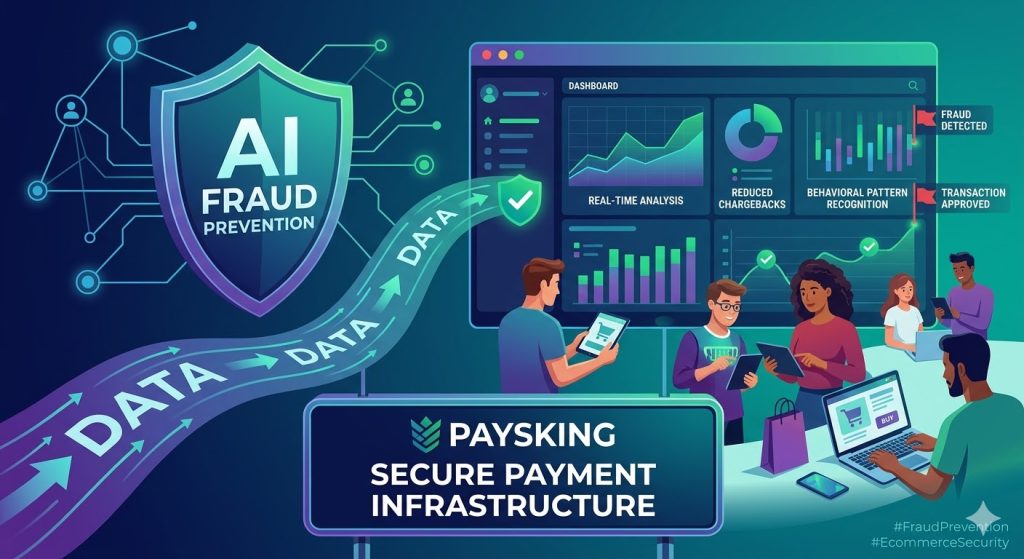
The rapid growth of e-commerce in the United States has created enormous opportunities for businesses to reach customers worldwide. At the same time, this growth has introduced new challenges related to payment fraud, unauthorized transactions, and digital security threats. Fraud prevention has become one of the most important priorities for online merchants. Traditional fraud detection methods often rely on manual reviews or basic rule-based systems that struggle to keep up with increasingly sophisticated cyber threats. Artificial intelligence is transforming how merchants detect and prevent fraudulent transactions. AI-powered systems can analyze large volumes of payment data in real time, identifying suspicious activity before it impacts businesses or customers. With Paysking, merchants gain access to payment infrastructure designed to integrate advanced fraud prevention technologies while maintaining reliable and secure payment processing. Understanding how AI enhances fraud prevention can help e-commerce businesses protect revenue and build customer trust. The Growing Fraud Challenge in U.S. E-commerce Online commerce has expanded rapidly in recent years, bringing increased transaction volumes and new fraud risks. Rising Digital Payment Fraud Cybercriminals continuously develop new strategies to exploit vulnerabilities in online payment systems. Fraud attempts include stolen card information, account takeovers, and synthetic identities. Increased Transaction Complexity Global e-commerce introduces cross-border payments, multiple currencies, and diverse payment methods. This complexity creates additional opportunities for fraud. Businesses operating in complex payment environments often encounter challenges similar to those discussed in👉 https://paysking.com/top-payment-challenges-in-the-crypto-forex-gaming-industries/ Impact on Merchant Revenue Fraudulent transactions can lead to chargebacks, lost products, and additional operational costs. Reducing disputes and fraud risk is essential for maintaining payment stability. Limitations of Traditional Fraud Prevention Methods Traditional fraud prevention tools rely on static rules and manual processes. Rule-Based Detection Systems Older fraud detection systems use predefined rules to identify suspicious activity. While effective for simple cases, these systems struggle to detect evolving fraud patterns. Manual Transaction Reviews Human review processes slow down payment authorization and can negatively affect customer experience. Difficulty Detecting Sophisticated Fraud Modern fraud techniques involve complex patterns that traditional systems cannot easily detect. Advanced security infrastructure helps address these challenges, aligned with strategies described in👉 https://paysking.com/secure-payment-processing-fraud-prevention-paysking/ How AI Improves Fraud Detection Artificial intelligence introduces new capabilities for identifying and preventing fraudulent activity. Real-Time Transaction Analysis AI systems analyze payment data instantly, evaluating transaction characteristics such as location, purchase behavior, and device patterns. Behavioral Pattern Recognition Machine learning algorithms learn from historical transaction data to identify unusual activity. Continuous System Learning AI systems improve over time by analyzing new transaction data and adapting to emerging fraud techniques. These capabilities allow businesses to detect fraud earlier and reduce financial losses. Benefits of AI-Powered Fraud Prevention AI-driven fraud prevention systems provide several advantages for e-commerce merchants. Faster Fraud Detection Real-time analysis allows businesses to identify suspicious transactions before they are completed. Reduced Chargebacks Preventing fraudulent transactions reduces the likelihood of disputes and chargebacks. Chargeback reduction strategies complement fraud prevention efforts, as outlined in👉 https://paysking.com/chargeback-prevention-strategies-for-high-risk-businesses/ Improved Customer Experience AI systems allow legitimate transactions to proceed smoothly without unnecessary delays. Scalable Security AI-powered fraud prevention systems can process large volumes of transactions efficiently. Scalable infrastructure supports growing e-commerce businesses, similar to systems described in👉 https://paysking.com/scalable-payment-gateway-business-growth-paysking/ AI and Payment Infrastructure Integration Fraud prevention systems must integrate seamlessly with payment infrastructure. Modern payment platforms combine fraud detection tools with transaction monitoring systems. These platforms provide merchants with: Integrated payment platforms support efficient transaction management, similar to systems described in👉 https://paysking.com/payment-platform-for-businesses-paysking/ This integration improves both security and operational efficiency. AI Fraud Prevention in Global E-commerce AI is particularly valuable for businesses operating internationally. Cross-Border Fraud Detection AI systems analyze global transaction patterns to identify suspicious activity across regions. Multi-Currency Transaction Monitoring International payments require advanced monitoring to detect unusual currency conversion patterns. Global payment infrastructure plays an important role in supporting these capabilities, aligned with👉 https://paysking.com/payskings-global-coverage-seamless-cross-border-payment-solutions/ These systems help merchants operate securely in global markets. Role of AI in Payment Optimization AI not only improves fraud detection but also enhances payment performance. AI-powered payment systems can: Optimized payment processing helps businesses increase transaction success rates, as explained in👉 https://paysking.com/how-to-optimize-card-payment-processing-for-better-conversion-rates/ These improvements contribute to stronger payment reliability. How Paysking Supports AI-Driven Fraud Prevention Paysking provides payment infrastructure designed to support advanced fraud detection technologies while maintaining secure and efficient payment processing. Paysking enables businesses to: These capabilities help merchants protect revenue while maintaining smooth customer experiences. Paysking’s payment ecosystem supports modern e-commerce security requirements. The Future of AI in Fraud Prevention Artificial intelligence will continue transforming payment security in the coming years. Future fraud prevention systems will include: Businesses adopting AI-powered payment security today will be better positioned to protect revenue and maintain customer trust. AI-driven fraud prevention will become a standard component of modern payment infrastructure. Protect Your E-commerce Payments with Paysking Fraud prevention is essential for maintaining secure and reliable payment operations in the digital economy. With Paysking, businesses gain access to scalable payment infrastructure designed to support advanced fraud prevention technologies and secure transaction processing. Protect your e-commerce payments with Paysking and strengthen your business against evolving fraud threats. Hashtags #FraudPrevention #EcommerceSecurity #AIPayments #FintechInnovation #Paysking

How AI is Transforming Fraud Prevention for U.S. E-commerce Merchants Read Post »

Understanding Rolling Reserves in U.S. Merchant Accounts

Merchant accounts are essential for businesses that want to accept card payments online or in-store. However, businesses operating in certain industries or processing large volumes of transactions may encounter a financial structure known as a rolling reserve. Rolling reserves are commonly used by payment processors and acquiring banks to manage transaction risk and ensure financial stability within the payment ecosystem. While the concept can initially seem restrictive, rolling reserves play an important role in protecting both payment providers and merchants. With Paysking, businesses gain access to payment infrastructure designed to support high-risk industries while maintaining stable payment processing and risk management practices. Understanding how rolling reserves work can help businesses prepare financially and manage their payment operations more effectively. What Is a Rolling Reserve in a Merchant Account A rolling reserve is a portion of a merchant’s transaction revenue that a payment processor temporarily holds as a risk protection measure. Instead of receiving the full transaction amount immediately, a small percentage is withheld for a defined period before being released to the merchant. How Rolling Reserves Work For example, a payment provider may hold 10% of daily transactions for 90 days. After the reserve period ends, those funds are gradually released. This structure allows payment providers to cover potential chargebacks, refunds, or fraud-related losses. Rolling reserves are especially common in industries classified as high risk, where dispute rates may be higher. Businesses operating in high-risk sectors often require specialized merchant account structures similar to those described in👉 https://paysking.com/what-is-a-high-risk-merchant-account-and-why-might-your-business-need-one/ Why Payment Providers Use Rolling Reserves Rolling reserves help payment providers manage financial risk within the payment ecosystem. Chargeback Protection Chargebacks occur when customers dispute transactions. Rolling reserves ensure funds are available to cover disputes without disrupting merchant accounts. Businesses often reduce disputes through prevention strategies such as👉 https://paysking.com/chargeback-prevention-strategies-for-high-risk-businesses/ Fraud Risk Management Certain industries experience higher fraud risks. Rolling reserves provide financial protection against potential losses. Financial Stability for Payment Networks Payment providers must maintain stable financial operations to support merchants and customers. Rolling reserves help ensure the payment ecosystem remains secure and reliable. Industries That Typically Require Rolling Reserves Rolling reserves are more common in industries with higher transaction risk. High-Risk Online Businesses Industries such as digital services, subscription platforms, and regulated products often require rolling reserves. These industries frequently encounter payment challenges similar to those discussed in👉 https://paysking.com/top-payment-challenges-in-the-crypto-forex-gaming-industries/ Subscription-Based Businesses Recurring billing models may carry higher dispute risks due to billing misunderstandings or cancellations. Subscription infrastructure plays a key role in managing recurring payments effectively, as explained in👉 https://paysking.com/subscription-recurring-payments-paysking/ Global and Cross-Border Merchants Businesses serving international customers may face additional payment risks related to currency conversion and fraud. Global payment infrastructure helps manage these risks, aligned with👉 https://paysking.com/payskings-global-coverage-seamless-cross-border-payment-solutions/ Types of Reserves Used in Merchant Accounts Rolling reserves are only one of several reserve structures used by payment providers. Rolling Reserve A percentage of transactions is withheld and released after a set period. Upfront Reserve Merchants may deposit a reserve amount before processing payments. Capped Reserve Funds are withheld until a specific reserve threshold is reached. The specific reserve structure depends on the merchant’s industry, transaction volume, and risk profile. How Rolling Reserves Impact Business Cash Flow Rolling reserves directly affect how quickly businesses receive their payment revenue. Temporary Revenue Hold A portion of revenue remains unavailable until the reserve period ends. Cash Flow Planning Businesses must plan operational expenses while accounting for reserve structures. Predictable Release Schedule Although reserves temporarily hold funds, they are released on a predictable schedule. Reliable payment infrastructure ensures transparency in reserve management. Businesses using modern payment platforms benefit from improved financial visibility similar to systems described in👉 https://paysking.com/payment-platform-for-businesses-paysking/ Strategies to Reduce Reserve Requirements Businesses may reduce reserve requirements over time by demonstrating financial stability. Maintain Low Chargeback Ratios Lower dispute rates indicate lower risk to payment providers. Improve Payment Security Secure payment systems reduce fraud risk and increase trust. Security frameworks align with those discussed in👉 https://paysking.com/secure-payment-processing-fraud-prevention-paysking/ Maintain Consistent Transaction Performance Stable transaction patterns improve merchant reliability. Optimizing payment performance also improves approval rates, as explained in👉 https://paysking.com/how-to-optimize-card-payment-processing-for-better-conversion-rates/ Role of Payment Infrastructure in Managing Risk Modern payment infrastructure helps reduce risk and improve merchant stability. Reliable payment platforms provide: Scalable infrastructure supports growing businesses and stable payment operations, similar to systems described in👉 https://paysking.com/scalable-payment-gateway-business-growth-paysking/ These capabilities help businesses operate confidently even in high-risk payment environments. How Paysking Helps Businesses Manage Rolling Reserves Paysking supports businesses by providing transparent and scalable payment infrastructure designed to manage payment risks effectively. Paysking helps merchants: These capabilities enable businesses to navigate rolling reserve structures while maintaining operational stability. Paysking’s payment ecosystem helps businesses focus on growth while managing payment risks effectively. Future Trends in Merchant Account Risk Management Payment ecosystems are evolving rapidly as digital commerce continues expanding. Future merchant account structures will emphasize: Businesses that adopt modern payment systems today will be better positioned for long-term success. Rolling reserves will remain an important risk management tool within payment ecosystems. Manage Merchant Account Risk with Paysking Rolling reserves are an important component of payment risk management for many businesses in the United States. With Paysking, merchants gain access to secure, scalable payment infrastructure designed to support high-risk industries while maintaining reliable payment processing. Manage merchant account risk effectively with Paysking and build a stable foundation for your payment operations. Hashtags #MerchantAccounts #RollingReserve #PaymentRisk #FintechSolutions #Paysking

Understanding Rolling Reserves in U.S. Merchant Accounts Read Post »

ACH vs Card Processing in the U.S.: Which Is Better for Your Business?

Businesses in the United States have multiple payment methods available when accepting customer payments. Two of the most widely used options are ACH bank transfers and card payment processing. Each method offers unique advantages and operational considerations that influence transaction costs, speed, and overall payment performance. Choosing the right payment method can significantly impact cash flow, customer experience, and long-term scalability. Businesses must evaluate how each option aligns with their business model, transaction volume, and customer preferences. With Paysking, businesses gain access to payment infrastructure designed to support both ACH transfers and card processing, enabling flexible payment strategies tailored to modern business needs. Understanding the differences between ACH and card processing helps businesses build efficient and scalable payment systems. Understanding ACH Payments ACH (Automated Clearing House) payments are electronic bank transfers processed through a centralized U.S. financial network. ACH payments are commonly used for payroll deposits, subscription billing, and large-value transactions. How ACH Payments Work ACH transfers move funds directly between bank accounts through the ACH network. Instead of using card networks, transactions are processed through bank clearing systems. This method is commonly used for recurring payments and large transfers. Advantages of ACH Payments ACH payments offer several benefits for businesses. Lower Transaction Costs ACH transfers typically involve lower processing fees compared to card payments. This makes them attractive for businesses handling large payment volumes. Ideal for Recurring Billing Many subscription-based businesses rely on ACH payments to reduce processing costs and ensure predictable billing cycles. Recurring billing infrastructure aligns with solutions described in👉 https://paysking.com/subscription-recurring-payments-paysking/ Bank-Level Security ACH payments operate through regulated banking systems, offering strong financial security. Understanding Card Payment Processing Card payments remain the most widely used digital payment method in the United States. Credit and debit cards allow customers to make purchases quickly and conveniently. How Card Payments Work Card payments are processed through payment gateways, acquiring banks, and card networks. The system verifies transaction details and authorizes payments in real time. This infrastructure enables fast payment authorization and customer convenience. Advantages of Card Payments Card payments provide several advantages for businesses. Instant Authorization Card transactions are authorized instantly, enabling faster checkout experiences. Higher Customer Adoption Most consumers prefer card payments due to convenience and familiarity. Support for Global Commerce Card processing allows businesses to accept payments from international customers. Global payment capabilities align with infrastructure discussed in👉 https://paysking.com/payskings-global-coverage-seamless-cross-border-payment-solutions/ Cost Comparison: ACH vs Card Processing Cost is one of the most important factors businesses consider when choosing a payment method. ACH Payment Costs ACH transactions typically involve lower fees because they bypass card networks. Businesses processing large recurring payments often prefer ACH to reduce operational costs. Card Payment Costs Card processing includes interchange fees, gateway fees, and acquiring bank charges. However, card payments provide advantages such as instant authorization and broader customer adoption. Optimizing card payment performance can help businesses manage costs effectively, as explained in👉 https://paysking.com/how-to-optimize-card-payment-processing-for-better-conversion-rates/ Speed and Transaction Processing Time Processing speed affects customer experience and cash flow. ACH Processing Speed ACH payments typically take one to three business days to settle. While slower than card payments, they provide reliable settlement through banking networks. Card Processing Speed Card transactions are authorized instantly, although settlement may still take one or two days. Businesses prioritizing customer convenience often rely on card processing for faster checkout experiences. Reliable payment infrastructure ensures stable performance, aligned with systems described in👉 https://paysking.com/payment-platform-for-businesses-paysking/ Security and Compliance Considerations Payment security is essential regardless of the payment method. ACH Security ACH payments operate within regulated banking frameworks that include fraud monitoring and compliance controls. Card Payment Security Card payments require strong data protection systems to protect cardholder information. Secure payment infrastructure helps prevent fraud and data breaches, similar to practices discussed in👉 https://paysking.com/secure-payment-processing-fraud-prevention-paysking/ Choosing the Right Payment Method for Your Business The best payment method depends on your business model and operational needs. Businesses That Benefit from ACH Payments ACH is often ideal for: Businesses That Benefit from Card Payments Card processing works well for: Businesses experiencing high transaction volumes benefit from scalable payment systems similar to👉 https://paysking.com/scalable-payment-gateway-business-growth-paysking/ Combining ACH and Card Processing Many businesses use both ACH and card processing to optimize payment performance. This hybrid approach allows businesses to: Flexible payment infrastructure supports modern business needs. How Paysking Supports Flexible Payment Solutions Paysking provides payment infrastructure designed to support multiple payment methods, including ACH transfers and card processing. Paysking helps businesses: This flexibility allows businesses to adapt payment systems to their specific operational needs. Paysking’s platform enables businesses to create reliable, scalable payment environments. The Future of Payment Methods in the U.S. Payment ecosystems continue evolving as digital commerce grows. Future payment systems will emphasize: Businesses that adopt adaptable payment systems today will be better positioned for future growth. ACH and card processing will continue working together as complementary payment methods. Optimize Your Payment Strategy with Paysking Choosing between ACH and card processing requires careful evaluation of costs, speed, and customer preferences. With Paysking, businesses gain access to secure, scalable payment infrastructure that supports multiple payment methods and optimized transaction performance. Optimize your payment strategy with Paysking and build a reliable foundation for business growth. Hashtags #ACHPayments #CardProcessing #BusinessPayments #FintechSolutions #Paysking

ACH vs Card Processing in the U.S.: Which Is Better for Your Business? Read Post »

Crypto Payment Acceptance in the USA: Legal & Compliance Considerations

Cryptocurrency has evolved from a niche technological innovation into a growing component of the global financial ecosystem. In the United States, businesses across industries are exploring crypto payment acceptance as a way to attract digital-first customers, enable faster international transactions, and expand payment flexibility. However, accepting cryptocurrency payments is not simply a matter of adding a new payment option. Businesses must navigate complex legal frameworks, compliance obligations, and payment infrastructure requirements. With Paysking, businesses gain access to payment systems designed to support modern digital payment methods while maintaining regulatory compliance and transaction security. Understanding the legal and compliance environment surrounding crypto payments is essential for businesses looking to operate confidently in this evolving landscape. Why Businesses Are Exploring Crypto Payments Businesses in the United States are increasingly interested in crypto payments due to several operational and strategic benefits. Faster Global Transactions Cryptocurrency payments can facilitate faster international transactions compared to traditional banking systems. This is particularly beneficial for businesses serving global customers. Global payment capabilities align with broader payment infrastructure strategies similar to those described in👉 https://paysking.com/payskings-global-coverage-seamless-cross-border-payment-solutions/ Expanding Customer Payment Options Offering cryptocurrency payments allows businesses to attract customers who prefer decentralized financial systems and digital assets. Lower Dependency on Traditional Banking Systems Some industries face challenges accessing traditional payment infrastructure. Crypto payments can provide alternative payment channels. Industries experiencing payment limitations often face challenges similar to those discussed in👉 https://paysking.com/top-payment-challenges-in-the-crypto-forex-gaming-industries/ Legal Landscape for Crypto Payments in the USA The legal framework surrounding cryptocurrency payments in the United States continues evolving. Federal Oversight and Regulation Several federal agencies influence cryptocurrency regulation, including those responsible for financial compliance, taxation, and anti-money laundering policies. Businesses accepting crypto payments must ensure that their operations align with regulatory expectations. Anti-Money Laundering (AML) Requirements Businesses must implement procedures to prevent illicit financial activity when accepting digital assets. Strong monitoring and transaction verification systems are essential for compliance. Tax and Financial Reporting Cryptocurrency transactions often require detailed reporting and documentation to meet financial compliance standards. Businesses must maintain transparent records for accounting and regulatory purposes. Payment Security and Fraud Prevention Crypto payments introduce unique security considerations. Transaction Irreversibility Unlike traditional card payments, most cryptocurrency transactions cannot be reversed once confirmed. This requires businesses to implement strong fraud prevention and transaction verification processes. Secure payment infrastructure supports these protections, aligned with practices discussed in👉 https://paysking.com/secure-payment-processing-fraud-prevention-paysking/ Digital Wallet Security Businesses must ensure secure wallet management and transaction monitoring to prevent unauthorized access. Payment System Integration Crypto payments must integrate with broader payment systems to ensure operational consistency. This integration aligns with modern payment platforms similar to👉 https://paysking.com/payment-platform-for-businesses-paysking/ Compliance Challenges for Crypto Payment Acceptance While crypto payments offer advantages, businesses must manage several compliance challenges. Regulatory Uncertainty Cryptocurrency regulations continue evolving, requiring businesses to remain adaptable. Risk Monitoring Digital assets can introduce financial risks if transactions are not properly monitored. Payment Infrastructure Complexity Businesses must ensure that crypto payments integrate seamlessly with existing financial systems. Reliable infrastructure supports scalable digital payment operations similar to👉 https://paysking.com/scalable-payment-gateway-business-growth-paysking/ Managing Payment Performance and Customer Experience Crypto payments should enhance customer experience rather than complicate it. Businesses must ensure: Optimized payment performance improves customer satisfaction and transaction success. Businesses improving payment efficiency often adopt strategies discussed in👉 https://paysking.com/how-to-optimize-card-payment-processing-for-better-conversion-rates/ Industries Leading Crypto Payment Adoption Several industries in the United States are adopting crypto payments faster than others. Technology and Digital Services Tech companies and digital platforms often lead adoption due to customer familiarity with digital assets. Online Platforms and Global Businesses Businesses serving international customers benefit from faster cross-border transactions. High-Risk Industries Some high-risk sectors explore crypto payments as alternative processing options when traditional payment infrastructure is limited. Understanding high-risk merchant requirements helps businesses prepare for these payment environments, as explained in👉 https://paysking.com/what-is-a-high-risk-merchant-account-and-why-might-your-business-need-one/ How Paysking Supports Modern Payment Ecosystems Paysking helps businesses adopt modern payment technologies while maintaining compliance and operational stability. Paysking supports businesses by providing: These capabilities enable businesses to integrate crypto payments alongside traditional payment methods. Paysking’s infrastructure ensures businesses can adapt to evolving payment technologies confidently. Future Outlook for Crypto Payments in the USA Cryptocurrency adoption continues to grow as digital financial ecosystems expand. Future payment systems will likely include: Businesses that adopt flexible payment strategies today will be better positioned for future financial innovation. Crypto payments represent an important component of the evolving digital payment landscape. Enable Secure Digital Payments with Paysking Accepting crypto payments requires the right combination of technology, compliance, and payment infrastructure. With Paysking, businesses gain access to secure, scalable payment systems designed to support modern digital payment methods while maintaining regulatory compliance. Enable secure digital payments with Paysking and prepare your business for the future of financial technology. Hashtags #CryptoPayments #DigitalPayments #PaymentCompliance #FintechInnovation #Paysking

Crypto Payment Acceptance in the USA: Legal & Compliance Considerations Read Post »

Scroll to Top